Collapsed Sewer Line Repair
A collapse is the failure mode where trenchless options narrow. Knowing the difference between a partial and a complete collapse changes what can realistically be done.
Symptoms of a collapsed sewer line
- Wastewater backing up with no relief after cleaning
- Every fixture in the house draining slowly or not at all
- A drain cable or camera stopping at the same distance every time
- Sewage odour outdoors, or a wet, sunken patch along the lateral's route
- A depression or sinkhole appearing in the lawn, driveway or walkway
Confirming it with a camera
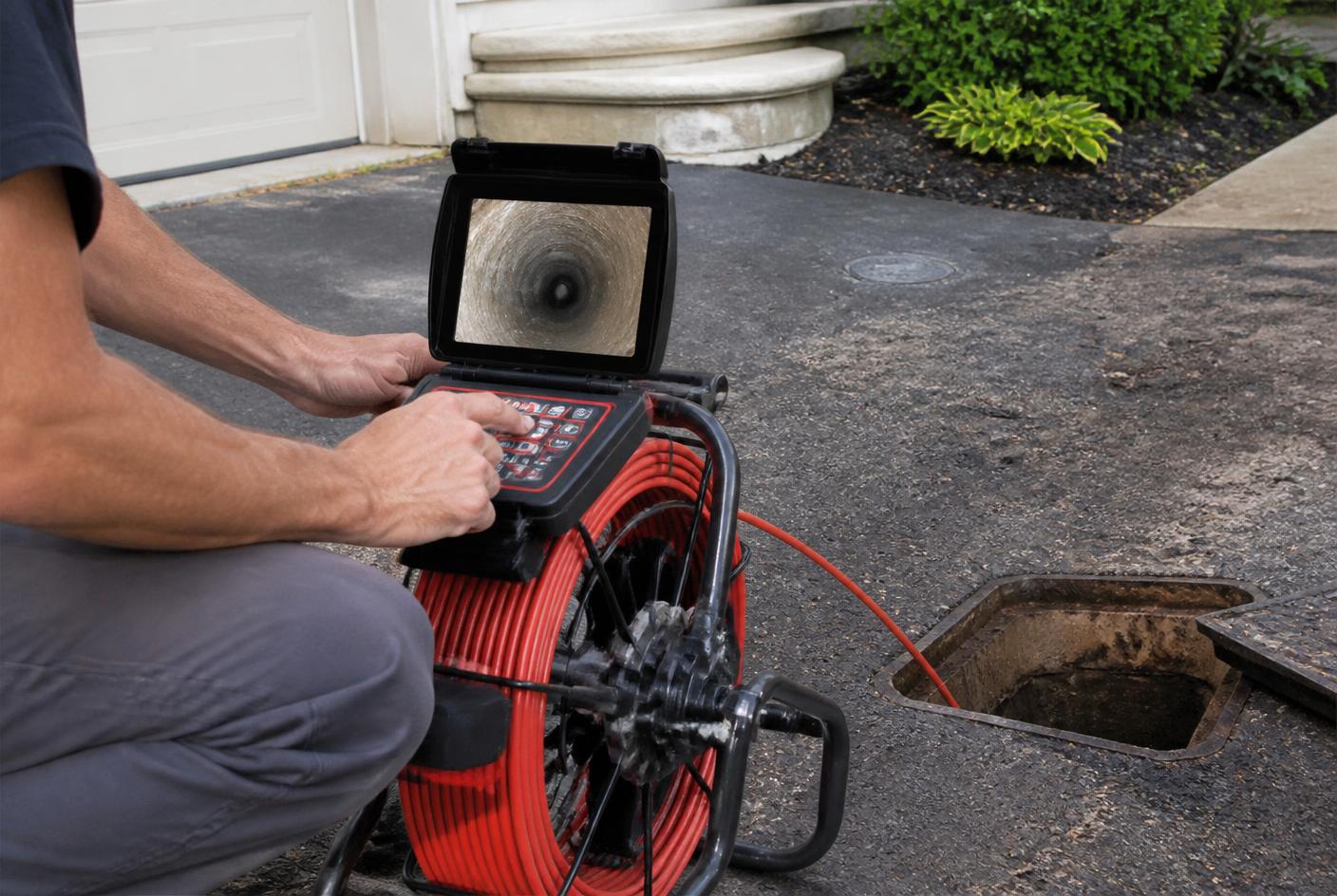
A CCTV inspection is the only way to distinguish a collapse from a heavy blockage. The camera stopping at a fixed point, a visible loss of pipe shape, soil or voids in the pipe, or a section that has dropped away all point to structural failure. The sonde locate then fixes the position and depth, which determines the size of the excavation or the placement of bursting pits.
Partial collapse
Part of the pipe wall has failed but the line still passes flow, often intermittently. If the collapse is confined to one short length, replacing that section — and lining or leaving the remainder as appropriate — can be viable. This is the case where a hybrid approach is most often discussed.
Complete collapse
The pipe has caved in and the run is blocked. Nothing can be installed through it in its current state, so the failed length must be replaced. Whether that is done by pipe bursting along the existing path or by excavating the section depends on depth, access, nearby utilities and what sits on the surface above.
Why lining has limits here
CIPP takes the shape of the pipe it is installed into. Without a host pipe holding a reasonable profile, there is nothing to line against, and a liner cannot bridge a void or rebuild a missing pipe wall. Any contractor offering to line a fully collapsed section should be asked, in detail, how.
When excavation is unavoidable
Some situations leave no trenchless route: a collapse directly at the municipal connection, a failure under a structure, a run too shallow to burst safely, or nearby utilities that rule out displacing the old pipe. In those cases targeted excavation of the failed length — rather than the entire lateral — is usually the least disruptive honest answer.
Frequently asked questions
Think your sewer line has collapsed?
Send the symptoms and any inspection findings and we'll aim to connect you with a relevant local professional quickly.
Find the Right Sewer Repair Option
Tell us what's happening with your sewer line and we'll aim to connect you with a relevant local specialist for an estimate.
- • Takes about a minute to complete
- • Useful whether or not you already have a camera report
- • No obligation to proceed with any quotation