Residential Sewer Line Repair
Most residential sewer problems come down to a handful of defects. Identifying which one you have is what separates a lasting repair from another temporary clearing.
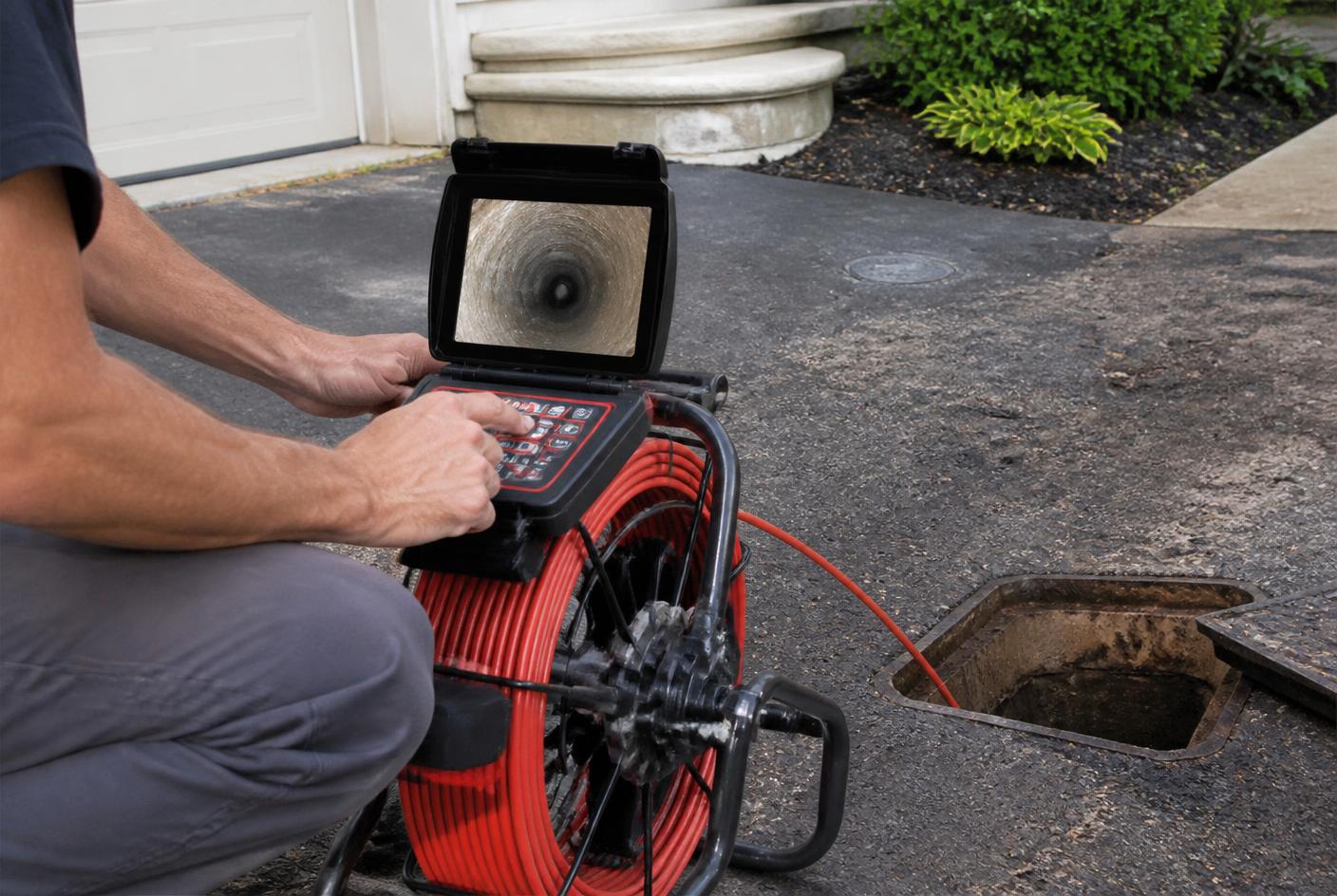
Common causes of residential sewer line failure
- Cracks and fractures. Ground movement, traffic loading over a shallow run, or simple age in older clay and cast-iron pipe.
- Tree roots. Fine roots enter at joints or cracks, then thicken and trap debris.
- Displaced or offset joints. Sections shift out of line, catching solids and allowing soil ingress.
- Corrosion and scaling. Cast iron loses wall thickness and builds up a rough interior that restricts flow.
- Sags and bellies. A settled section holds standing water and debris.
- Age. Vitrified clay with mortared joints, still common under older Canadian homes, tends to fail at the joints first.
Symptoms worth taking seriously
- Backups that return within weeks or months of being cleared
- Several fixtures draining slowly at once, particularly on the lowest floor
- Gurgling from a floor drain or a basement toilet
- Sewer odour indoors or near the lateral's route outside
- A patch of unusually lush lawn or a depression along the sewer line
Minor damage versus structural damage
A grease blockage or a soft obstruction is a cleaning job. A crack, an open joint, an offset or root intrusion is structural: the pipe has changed shape or lost integrity, and no amount of jetting restores that. The distinction matters because it determines whether you are buying maintenance or a repair.
Repair methods used on residential laterals
- Cleaning and root cutting — restores flow, and prepares the pipe when a structural repair follows.
- Point repair or sectional liner — a short liner over a single defect.
- Full-length CIPP lining — where the whole run is deteriorating but holds its shape.
- Pipe bursting — where the pipe is beyond rehabilitation.
- Open-cut repair — for a localized failure at a shallow depth or at a connection.
When excavation may still be required
Excavation remains the practical route where a section has collapsed, where the line has separated at a connection, where the grade must be corrected, or where a defect sits under a structure that neither a liner nor a bursting rig can reach. A contractor who says every job can be done trenchless is overselling the method.
Frequently asked questions
Get your sewer line problem reviewed
Describe the symptoms and we'll aim to connect you with a relevant local sewer repair professional.
Find the Right Sewer Repair Option
Tell us what's happening with your sewer line and we'll aim to connect you with a relevant local specialist for an estimate.
- • Takes about a minute to complete
- • Useful whether or not you already have a camera report
- • No obligation to proceed with any quotation